
January 2023
The Regulated Edge
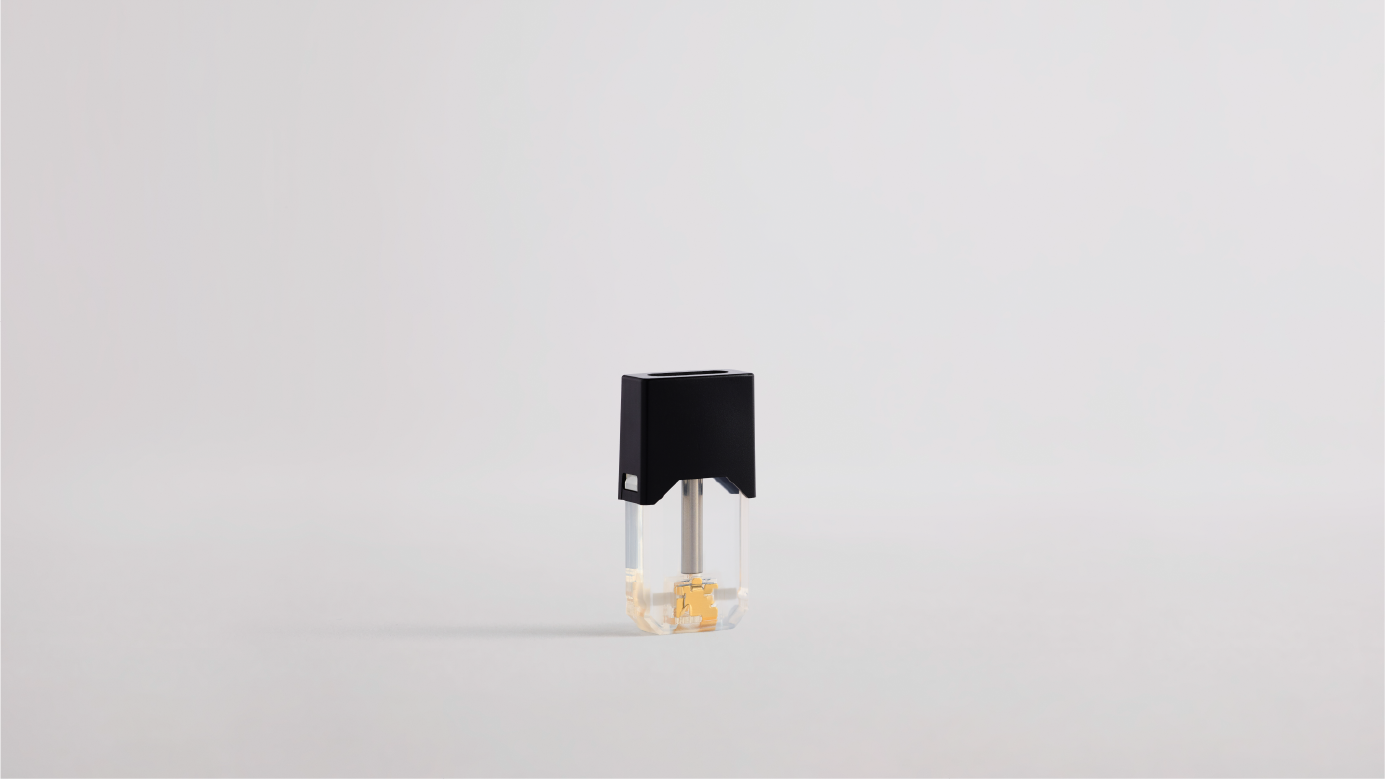
In 2017 my agency Fades to Nothing was contracted by JUUL to design the next generation vapor product. What we didn't know was that they had run the same brief in parallel with several established agencies. When the project came to a close, the founders chose our work. In 2018, when the design was ready to move into manufacturing, they asked us to come in-house to ship it. The design lineage made it a natural move: I'd done work for Ploom, Pax, and now JUUL. The products had been part of my life for several years.
I came in expecting to pick up where we left off and lead product design. What I found instead was a marketing function that needed structural correction more urgently than the product team needed leadership. Before my time, JUUL had been operating from a playbook that worked for its sister brand Pax in the cannabis category. The category JUUL was actually in—FDA-regulated nicotine, with the full apparatus of public health and economic scrutiny that comes with it—required a different discipline than the one the company was practicing. The pressure on the brand was already rising. The work was the correction.
I moved into Marketing and started auditing. The audit produced an extensive list. Rebuild the JUUL brand identity to a standard that would pass regulatory review in every country the company shipped. Separate the corporate parent, Juul Labs, Inc., from the product brand, so that the company structure could carry future products. Design a proprietary typeface that would eliminate tens of millions in trademark exposure. Build a creative function that could produce trade and packaging output at the volume the global business required. Contribute to the PMTA submission to FDA. Every one of those was a foundational project.
I built the strategy and core identity system in partnership with Bibliothèque. We then extended it across regions using our in-house teams. The system was compliant with restrictions in every market JUUL operated in, which is not a constraint most brand design systems need to uphold. The typeface was a separate project with Colophon Foundry that ran in parallel. The split between Juul Labs, Inc. and JUUL had been discussed at the company before my time. I formalized it with leadership, and executed it in market. The parent entity gave the company the legal and operational standing to absorb risk that would otherwise have attached to the product brand directly.
JUUL design system
During my tenure, I structured my teams to ship continuously and globally. Sub-teams covered brand, packaging, trade, retail, digital, and production, with regional coverage across Global, AMER, EMEA, and APAC. Production was distributed inside each of those, scaled to the volume of the local market and channel needs. Packaging and trade output ran constantly: multi-pack variants, inserts, point-of-sale, and signage. Every surface a product touches inside a regulated category, in the local language and to the legal standard. Nothing shipped without passing review.
I built a corporate leveling structure for creative professionals at Juul Labs that gave designers and writers documented career paths, equal pay across identifiable factors, and an IC track that didn't require moving into people management to progress. Most companies level Creative as an afterthought against a Marketing rubric (at best) that doesn't fit. The Juul Labs structure was built from the ground up for the discipline.
Outside of marketing, I partnered closely with Product. That partnership was unusual during the hyper-growth stage: Marketing and Product generally did not have direct working relationships of that depth, and the partnership was possible because I'd come into the company through the hardware side and the founders trusted the relationship. The result was that the brand and the products developed in dialogue rather than in sequence: the brand system informed how the products were photographed, packaged, and presented, and the product roadmap informed how the brand had to be able to flex.
The reported "usual brand" share of JUUL among underage vapor users dropped sharply from 2019 to 2022. The reduction was the result of many variables: regulatory action, product changes, legal settlements, and the brand discipline we built.
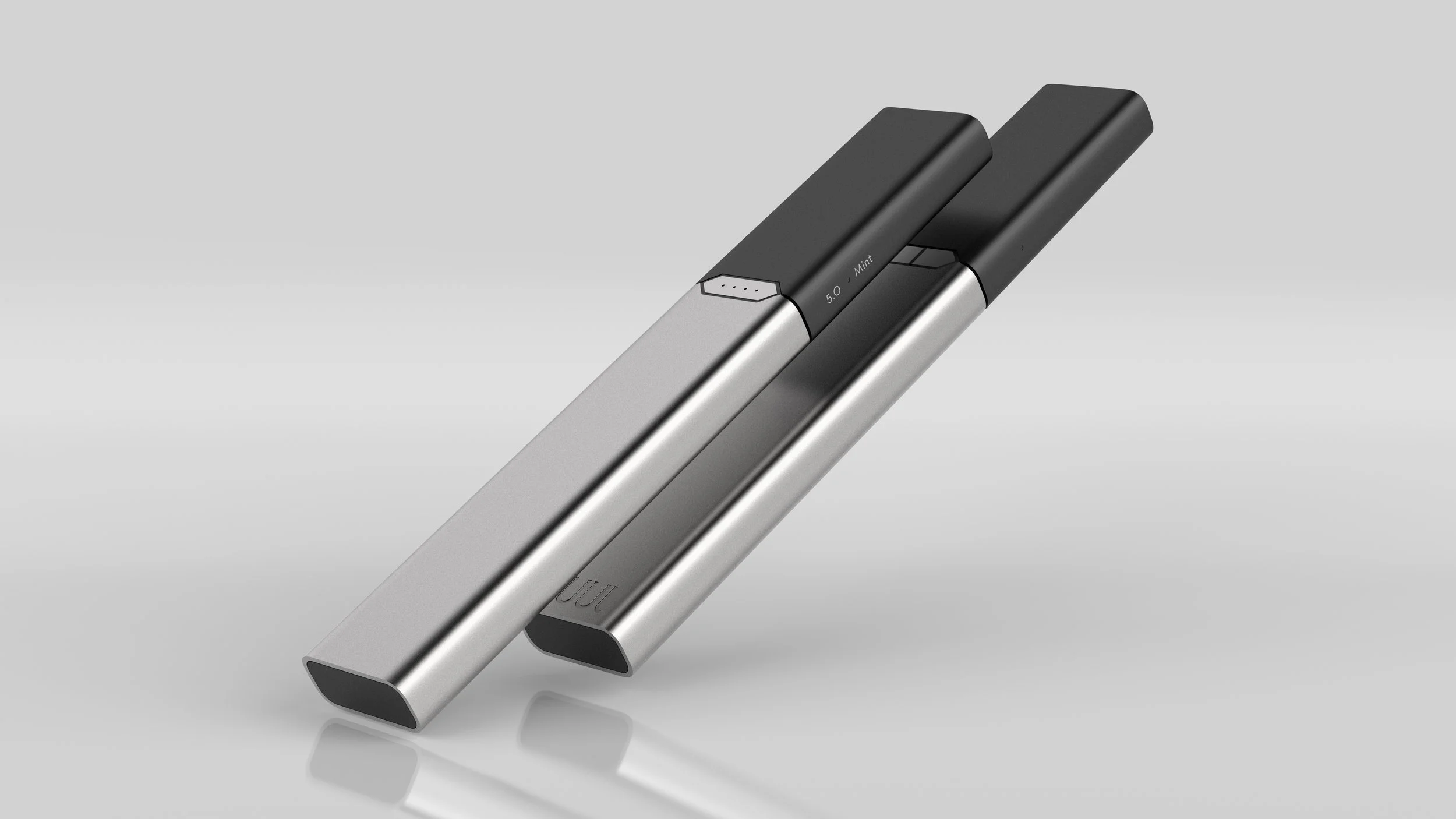
JUUL2
Company: Juul Labs
Role: Group Creative Director
Years: 2018-2023
Partners: Bibliothèque, Colophon Foundry
Patents: JUUL2 hardware and packaging design; JUUL packaging design
Finance: $16B+ raised