
May 1, 2026
Designer
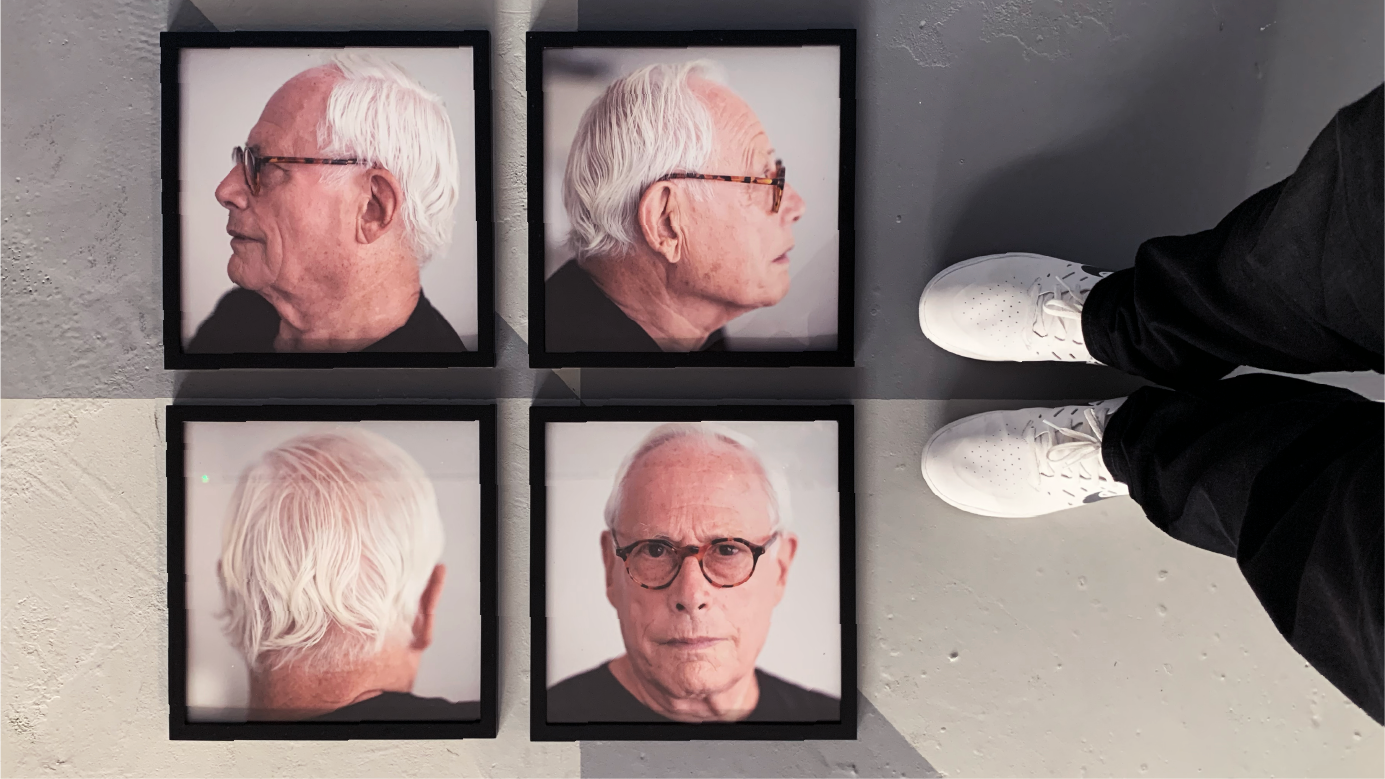
Last time I ran into Dieter in Marylebone.
A few years ago in London, Mason Wells introduced me to Mark Adams as "a designer." Adams is the Managing Director of Vitsœ, the company that still makes Dieter Rams' 606 Universal Shelving System today. In the US, being introduced that way is a signal you've been placed below the leadership in the room. I was ready for the polite hand-off. Instead he responded with an unexpected respect. That was the first time I understood the word meant something different somewhere else.
In the tradition Adams comes from, Designer isn't a junior title. It's the discipline name for someone who can observe the world around them, solve problems through greater systems thinking, and move things forward meaningfully. Rams isn't just a talented industrial designer. He designed a system for living with fewer, better objects. Vitsœ shelving is still in production 66 years after it launched because the thinking behind the design system still holds true today. That's what the word used to carry.
The word has been degraded in the US. Here, Designer means "makes it pretty." It's a stop on the way to the 'real' title: Creative Director, Partner, VP of Brand, Chief Marketing Officer. I've spent a career watching talented people race to leave the word behind. I've done some racing myself. The title game isn't nothing—pay and authority track it—but the incentive structure is backwards. Everyone is trying to graduate out of the only word on their business card that describes what they actually do.
I'm going the other way. I want the word back.
Something is happening this year that makes the word worth defending instead of abandoning. The person who made it pretty was always downstream of the real work. The person who decided what should be made, for whom, and why it should exist at all: that's the Designer. The work gets simpler and more obvious as it gets better, which is why it looks easy from the outside. That's the whole point.
Last week I was working with a Figma MCP setup. The breakthrough wasn't that the tool was magical. Plenty of tools are, briefly. The breakthrough was that the systems thinking transferred. I could describe what I wanted at the level of a system, and the tool executed. The gap between intent and output closed in a way I'd been trained to believe was the job. Twenty years of learning to manually move objects on a canvas, suddenly adjacent to the work instead of the work itself. I'm never going to manually use Figma the way I have used design software up until a few weeks ago. I'm going to design the system that does it better than I could, at a scale I couldn't.
This is where the word matters. The people who framed design as making-it-pretty are watching that part of the job collapse into the tools. The people who framed design as systems thinking are watching their framing become tactical. Same word, two different readings, two different outcomes. One group is about to lose the career it trained for. The other is about to find out its training was always the point. The Designers who survive the next ten years will be the ones who were operating at systems level the whole time. That's what the word has always meant. Worth taking it back.